Hidden Value in Plain Sight: The Recoverable Wealth Locked Inside Every Discarded HVAC System
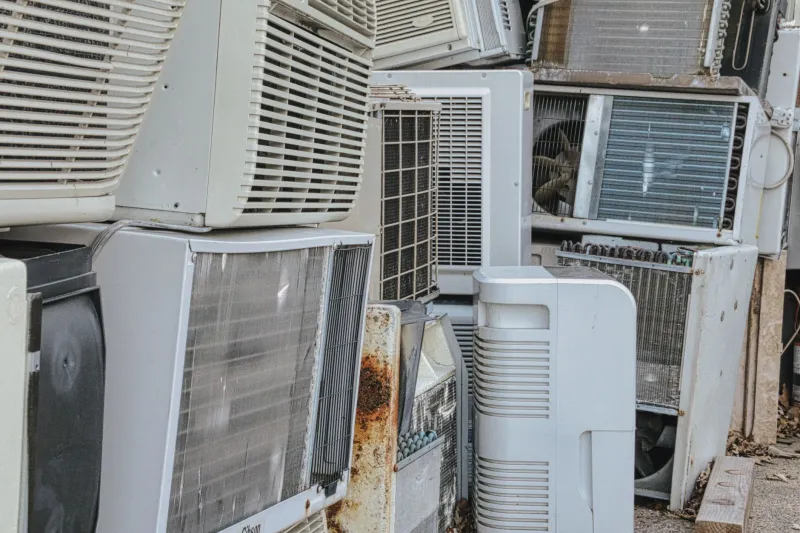
Every year, millions of American households upgrade or replace their heating, ventilation, and air conditioning systems. The old units — bulky, heavy, and seemingly inert — are hauled off by contractors, and most homeowners never think about them again. What few people realize is that those discarded machines are far more than metal carcasses destined for a scrap heap. They are concentrated repositories of recoverable materials, regulated chemical compounds, and reusable components that, when handled properly, contribute meaningfully to both economic recovery and environmental protection.
The HVAC industry replaces an estimated 6 to 8 million residential systems in the United States annually. That volume of equipment represents an enormous stream of material flowing out of homes and into — ideally — responsible recycling channels. Understanding what is actually inside these systems, and why proper decommissioning matters, is the first step toward making better decisions at the end of an appliance's useful life.
What HVAC Systems Are Actually Made Of
At first glance, a central air conditioning or heat pump unit appears to be little more than a metal box filled with mechanical components. Look closer, and the material composition becomes considerably more interesting.
Copper is among the most valuable recoverable materials in any HVAC system. The coils that facilitate heat exchange — both in the indoor air handler and the outdoor condenser — are wound with copper tubing, sometimes in substantial quantities. A single residential central air unit may contain anywhere from five to fifteen pounds of copper, depending on its size and age. At current market rates, copper commands significant value at scrap yards and recycling facilities, making it one of the primary drivers of HVAC material recovery.
Aluminum is equally prevalent. Condenser fins, heat exchanger components, and various structural elements throughout both furnace and cooling systems are frequently fabricated from aluminum. Like copper, aluminum retains strong recyclability — it can be melted down and reformed without meaningful degradation in quality, making it one of the most sustainably managed metals in the recycling supply chain.
Steel forms the structural skeleton of most HVAC cabinets, ductwork connections, and internal frameworks. While steel commands lower per-pound pricing than copper or aluminum, the sheer mass of steel present in a full HVAC system — including the air handler, furnace cabinet, and condenser housing — means it contributes substantially to total material recovery weight.
Beyond metals, HVAC systems contain motors, capacitors, circuit boards, and wiring harnesses that carry their own recyclable or hazardous material considerations. Older systems may also contain insulation materials that require careful handling during disassembly.
The Refrigerant Problem Nobody Talks About
Perhaps the most environmentally consequential aspect of HVAC decommissioning is the management of refrigerants — the chemical compounds that enable the heat transfer process at the core of air conditioning and heat pump operation.
For decades, the dominant refrigerant in American residential systems was R-22, a hydrochlorofluorocarbon (HCFC) with significant ozone-depleting potential. Under the terms of the Montreal Protocol and subsequent EPA regulations, R-22 production and importation in the United States was phased out completely by 2020. This means that any system still running on R-22 — and millions of older units across the country do — contains a substance that is now both environmentally regulated and, paradoxically, increasingly scarce and valuable.
Newer systems predominantly use R-410A or, in the most recently manufactured units, next-generation refrigerants such as R-32 or R-454B, which carry lower global warming potential. Regardless of the specific refrigerant type, federal law under Section 608 of the Clean Air Act prohibits the intentional venting of refrigerants during service or disposal. Only certified technicians using approved recovery equipment are legally permitted to extract and handle refrigerants from decommissioned HVAC systems.
When refrigerant is properly recovered, it can be reclaimed, purified, and reintroduced into the market — or, in the case of substances no longer in production, carefully destroyed using approved methods that prevent atmospheric release. The failure to recover refrigerants correctly is not merely an environmental lapse; it is a federal violation that carries substantial penalties.
Why Contractor Disposal Practices Vary So Widely
Despite clear regulatory requirements and genuine material value, the actual fate of discarded HVAC equipment across the United States remains highly inconsistent. Some HVAC contractors partner with certified recycling processors and scrap metal facilities that handle decommissioned units responsibly. Others, however, sell units to scrap dealers who may not be equipped or licensed to handle refrigerant extraction prior to processing the metal content.
Homeowners, in most cases, have limited visibility into what happens after their old system is removed. The unit is placed on a truck, and the transaction ends there. This opacity is a structural problem within the replacement and disposal ecosystem — one that better consumer awareness and stronger contractor accountability standards could meaningfully address.
When choosing an HVAC contractor for a system replacement, homeowners should ask directly about disposal practices. Questions worth raising include whether the contractor is certified for refrigerant recovery, whether the unit will be directed to a licensed recycling facility, and whether any documentation of proper disposal is available. These are not unreasonable requests — they are markers of a contractor operating with environmental seriousness.
The Economic Case for Proper HVAC Recycling
Proper HVAC recycling is not purely an environmental obligation. It carries a legitimate economic rationale as well. The copper, aluminum, and steel recovered from decommissioned systems feed domestic manufacturing supply chains, reducing dependence on virgin material extraction. In an era of volatile global commodity markets and supply chain disruptions, domestically recovered scrap metal represents a strategically important resource.
The refrigerant recovery market similarly has economic dimensions. Recovered and reclaimed R-22, for instance, has seen its market price climb sharply since the phase-out took effect, as remaining supplies dwindle. Facilities equipped to properly reclaim and resell recovered refrigerants are participating in a market with real financial stakes.
For households, there is rarely a direct financial return from HVAC recycling beyond whatever credit a contractor may offer for hauling away the old unit. The economic benefits accrue primarily at the industrial and societal level. That said, some scrap metal facilities do accept HVAC equipment directly from the public and will pay based on assessed metal content — though refrigerant must be certified as already recovered before most reputable processors will accept a unit.
What Responsible Decommissioning Actually Looks Like
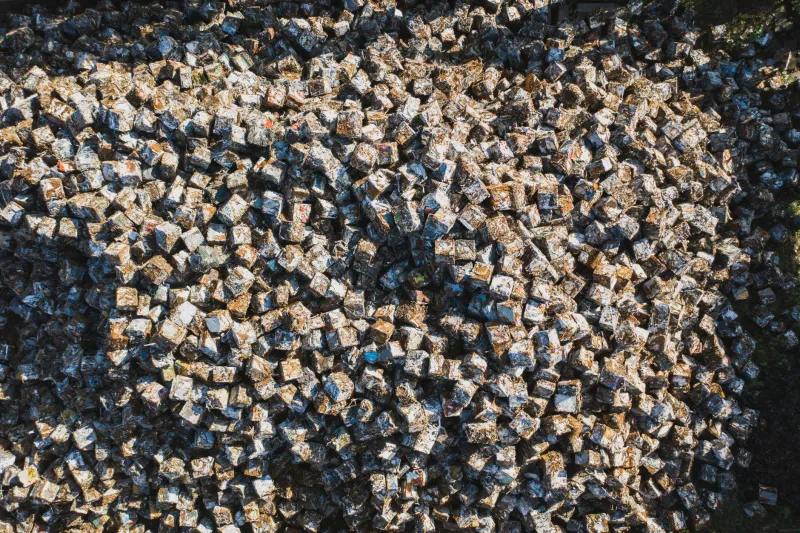
A properly decommissioned HVAC system follows a clear sequence. First, a certified technician recovers all refrigerant using EPA-compliant recovery equipment, documenting the process as required. The unit is then transported to a processing facility where it is systematically disassembled. Copper coils and tubing are separated from aluminum fins and steel housings. Motors, capacitors, and circuit boards are segregated for appropriate downstream handling. Metals are sorted, baled, and directed to smelters and foundries where they re-enter the manufacturing cycle.
This process is neither complicated nor prohibitively expensive. What it requires is intentionality — a commitment from contractors, recycling processors, and homeowners alike to treat the end of an HVAC system's life as a moment that warrants genuine care rather than expedient disposal.
A Call for Greater Awareness
The HVAC replacement cycle will continue at scale for the foreseeable future. As the United States pushes toward greater energy efficiency and transitions older systems to more climate-friendly alternatives, the volume of decommissioned equipment will only increase. The materials and regulated compounds inside those systems will not simply disappear — they will either be responsibly recovered or they will become a source of environmental liability.
At Supreme Recyclings, we believe that informed disposal decisions begin with understanding what is actually at stake. The weight of an old HVAC unit sitting on a front lawn is not just steel and copper. It is a set of environmental responsibilities and recoverable resources that deserve to be handled with the seriousness they warrant.