Stop Putting These 5 Items in Your Recycling Bin — You're Doing More Harm Than Good
Recycling is one of the most widely practiced environmental behaviors in the United States. According to the EPA, Americans recycle and compost approximately 94 million tons of material annually. That is a meaningful achievement — but it comes with a significant caveat. A substantial portion of what Americans place in recycling bins is not actually recyclable through municipal programs, and the presence of these materials can compromise entire loads of otherwise recoverable material.
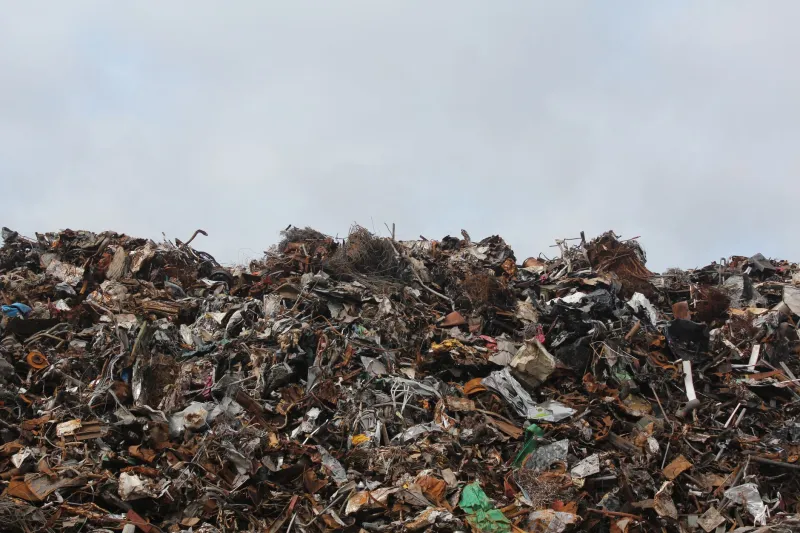
This phenomenon, known as contamination, is one of the most persistent and costly challenges facing the recycling industry. When non-recyclable items enter the sorting stream, they can jam machinery, degrade the quality of recovered materials, and ultimately force facilities to divert contaminated loads to landfills. The result is that wishful recycling — placing an item in the bin and hoping for the best — can produce worse environmental outcomes than simply disposing of it correctly in the first place.
At Supreme Recyclings, education is foundational to everything we do. Understanding what belongs in your recycling bin is not a minor technical detail. It is the difference between a functioning circular economy and a well-intentioned system undermined by misinformation. Here are five items that are among the most common sources of recycling contamination — and a clear explanation of where they actually belong.
1. Greasy Pizza Boxes
Pizza boxes are made of corrugated cardboard, a material that is absolutely recyclable. The problem is not the box itself — it is what gets left behind. Grease and cheese residue saturate cardboard fibers, making them impossible to separate during the pulping process that recyclers use to break down paper products. A single heavily soiled pizza box introduced into a paper bale can degrade the quality of the entire batch, rendering it unsellable to paper mills.
What to do instead: If the top portion of the box is clean — as it often is — tear it off and place it in the recycling bin. The grease-soaked bottom should go in the trash, or better yet, in a composting bin if your municipality accepts food-soiled paper. Some communities have begun accepting pizza boxes in their composting programs specifically because they recognize this common dilemma.
2. Plastic Bags and Film Packaging
This is perhaps the single most damaging category of recycling contamination in the United States. Plastic bags, stretch wrap, bubble mailers, bread bags, and similar flexible plastic films are not compatible with curbside recycling programs. These materials wrap around the spinning mechanical equipment at sorting facilities, causing equipment jams that shut down operations for hours at a time and require manual intervention to clear. The repair and labor costs associated with film plastic contamination run into the millions of dollars annually across the industry.
What to do instead: Many major grocery chains and big-box retailers — including Walmart, Target, and Kroger — operate in-store drop-off bins specifically for clean, dry plastic film. Look for the How2Recycle label on packaging, which provides guidance on appropriate disposal. The Plastic Film Recycling website (plasticfilmrecycling.org) maintains a searchable database of drop-off locations by zip code.
3. Electronic Waste
Old smartphones, laptops, televisions, chargers, and other electronic devices contain a complex mixture of valuable metals, hazardous materials, and components that require specialized processing. Placing e-waste in a standard recycling bin accomplishes nothing useful and introduces potentially toxic substances — including lead, mercury, and cadmium — into a stream that is not equipped to handle them safely.
What to do instead: E-waste has a robust and growing network of dedicated collection options. Many electronics manufacturers and retailers — including Best Buy, Apple, and Staples — operate take-back programs for used devices. Municipal household hazardous waste collection events frequently accept electronics. Certified e-waste recyclers, who process materials in compliance with environmental and data-security standards, represent the most responsible option for business and institutional volumes. Supreme Recyclings can connect organizations with vetted e-waste processing partners.
4. Shredded Paper
Paper recycling is one of the success stories of the American recycling industry, but shredded paper is a notable exception to the general rule that paper is recyclable curbside. The shredding process cuts fibers into pieces so short that they are difficult for sorting equipment to capture — the shreds fall through screens and contaminate other material streams. They also pose a practical challenge by escaping from bins and creating litter at collection points and processing facilities.
What to do instead: Some municipalities do accept shredded paper if it is contained in a sealed paper bag or a stapled paper envelope rather than loose in the bin — check your local program's specific guidelines. Alternatively, shredded paper is an excellent addition to a home compost pile, where it provides carbon-rich brown material that balances nitrogen-heavy food scraps. Community shredding events, often sponsored by banks or local governments, sometimes collect shredded paper for specialized recycling.
5. Disposable Coffee Cups
The disposable coffee cup is one of the great recycling misconceptions of modern American life. These cups appear to be made of paper — and they are — but they are lined with a thin layer of polyethylene plastic that bonds to the paper during manufacturing. This composite construction makes them extraordinarily difficult to process at standard paper recycling facilities, which cannot efficiently separate the two bonded materials. An estimated 50 billion paper coffee cups are discarded in the United States each year, and the vast majority end up in landfills.
What to do instead: The lids — typically made of polypropylene plastic — may be recyclable depending on your local program; check the resin identification code on the bottom. The cups themselves should generally go in the trash unless your municipality has specifically invested in the specialized pulping equipment required to process them. The most effective solution remains switching to a reusable cup, which eliminates the disposal question entirely.
The Bigger Picture
Contamination is not a consumer failure — it is a knowledge gap. Recycling guidelines vary by municipality, materials science evolves, and the gap between what people believe is recyclable and what facilities can actually process is real and persistent. The solution is continued education, clearer labeling, and accessible alternatives for materials that fall outside standard programs.
When in doubt, the guiding principle is simple: a clean, correctly sorted recycling bin does more for the environment than a full one contaminated with problematic materials. Supreme Recyclings is committed to providing the information and infrastructure that help individuals and businesses make genuinely effective recycling decisions — not just well-intentioned ones.