America's Overflowing Closets Are Choking Our Landfills — Here's What You Can Do About It
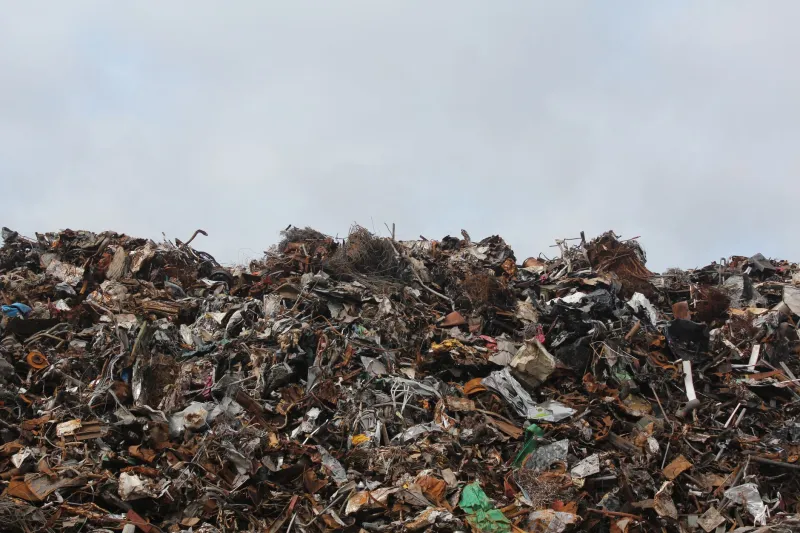
Every season, retailers flood the market with inexpensive, trend-driven clothing designed to be worn a handful of times before being discarded. What most Americans don't see is what happens after those garments leave their hands. According to the Environmental Protection Agency, the United States generated more than 17 million tons of textile waste in a single recent year — and only a fraction of that material was recovered for recycling or donation. The rest made its way into landfills, where it quietly compounds one of the country's most underreported environmental challenges.
At Supreme Recyclings, we believe that responsible waste management extends well beyond curbside bins and cardboard boxes. Textiles represent a growing and largely misunderstood waste stream, one that demands both consumer awareness and structured disposal solutions.
The True Cost of a $12 T-Shirt
The appeal of fast fashion is straightforward: affordable prices and constant novelty. The environmental accounting, however, tells a far more complicated story. Producing a single cotton T-shirt requires roughly 2,700 liters of water — enough to meet one person's drinking needs for two and a half years. Synthetic fabrics like polyester and nylon, which dominate the fast fashion market, are derived from petroleum-based materials. When these garments eventually reach a landfill, they do not biodegrade in any meaningful timeframe. Polyester fibers can persist in the environment for 200 years or more.
Beyond the physical waste, the dyeing and finishing processes used in textile manufacturing release toxic chemicals into waterways, particularly in countries where environmental regulations are less stringent. When Americans purchase these garments cheaply and discard them quickly, they are participating — often unknowingly — in a global chain of environmental harm.
The volume is staggering. The Council for Textile Recycling estimates that Americans throw away approximately 70 pounds of clothing and textiles per person annually. Laid end to end, the discarded garments from a single year would circle the Earth multiple times. Despite this scale, textile recycling infrastructure in the United States remains fragmented and underfunded compared to paper, glass, or aluminum recovery systems.
Why Donation Alone Is Not Enough
Many well-intentioned consumers respond to wardrobe cleanouts by bagging up old clothes and dropping them at a local thrift store or donation bin. This instinct is admirable, but the reality of the secondhand market is more nuanced. Thrift organizations such as Goodwill and the Salvation Army receive far more donations than they can sell. Industry estimates suggest that only 20 percent of donated clothing is actually resold in domestic retail stores. The remainder is sold in bulk to textile recyclers, exported to developing nations' secondhand markets — a practice that has its own complex economic and cultural implications — or ultimately landfilled.
This is not an argument against donation. Donating wearable clothing to local shelters, community organizations, or buy-nothing groups remains one of the most direct ways to extend a garment's useful life. The point is that donation should be understood as one tool among several, not a comprehensive solution to the textile waste crisis.
Building a Responsible Textile Disposal Strategy
A thoughtful approach to clothing disposal involves multiple pathways, each suited to different types of garments and materials.
Donate selectively and locally. Reserve donations for items that are genuinely clean, intact, and wearable. Research local organizations — women's shelters, veterans' programs, professional attire nonprofits — that have specific needs your wardrobe might address. Targeted giving ensures your clothing reaches someone who will actually use it.
Explore brand take-back programs. A growing number of apparel companies have established in-store recycling or trade-in programs. Brands including Patagonia, Levi's, H&M, and The North Face operate initiatives that accept worn garments regardless of condition. These programs channel materials into certified textile recyclers, diverting waste from landfills.
Engage certified textile recyclers. For items too worn to donate and not accepted by brand programs, certified textile recyclers are the appropriate destination. These facilities sort materials by fiber type and condition, channeling usable fabric into industrial rags, insulation, carpet padding, and new yarn production. Supreme Recyclings works with businesses and communities to connect textile waste streams with appropriate processing partners.
Upcycle before you discard. A stained dress shirt might become a cleaning cloth. An old denim jacket might be transformed into a bag or pillow cover. Upcycling requires a modest investment of creativity and time, but it extends the life of materials that would otherwise contribute to landfill volume.
Buy less and buy better. The most effective recycling strategy for clothing is reducing the volume of garments that enter the waste stream in the first place. Prioritizing durable, versatile pieces over trend-driven purchases is both an environmental and economic decision that compounds in value over time.
The Role of Structured Waste Management
Individual action matters enormously, but systemic change requires infrastructure. Municipalities across the country are beginning to recognize textile waste as a priority issue, with some jurisdictions piloting curbside textile collection programs similar to those long established in parts of Europe. Extended producer responsibility legislation — which holds manufacturers accountable for the end-of-life management of their products — is gaining traction in several states.
For businesses — hotels, healthcare facilities, uniform-dependent industries — textile waste represents a significant and often overlooked component of their overall waste footprint. Structured collection and recycling agreements with qualified waste management partners can meaningfully reduce landfill contributions while supporting corporate sustainability commitments.
At Supreme Recyclings, we view the textile waste challenge not as an obstacle but as an opportunity. Every pound of fabric diverted from a landfill represents a material that can be transformed, repurposed, or recovered. The circular economy — in which materials cycle continuously through use rather than ending in disposal — is not a distant ideal. It is a practical goal, achievable through the right combination of consumer behavior, business practice, and waste management expertise.
Your closet is a starting point. The decisions you make about what to buy, how long to keep it, and where it goes when you're finished with it collectively shape the environmental landscape of this country. With the right strategies and the right partners, those decisions can move us meaningfully toward a more sustainable future.