The Recycling Label Lie: What That Chasing-Arrows Symbol Is Really Telling You
Every day, millions of Americans rinse out their plastic containers, peel off the lids, and place them into blue bins with quiet confidence. The chasing-arrows symbol — that familiar triangle of looping arrows — signals permission. It says: this is fine, this is responsible, this is recycling. Except, in a significant number of cases, it is none of those things.
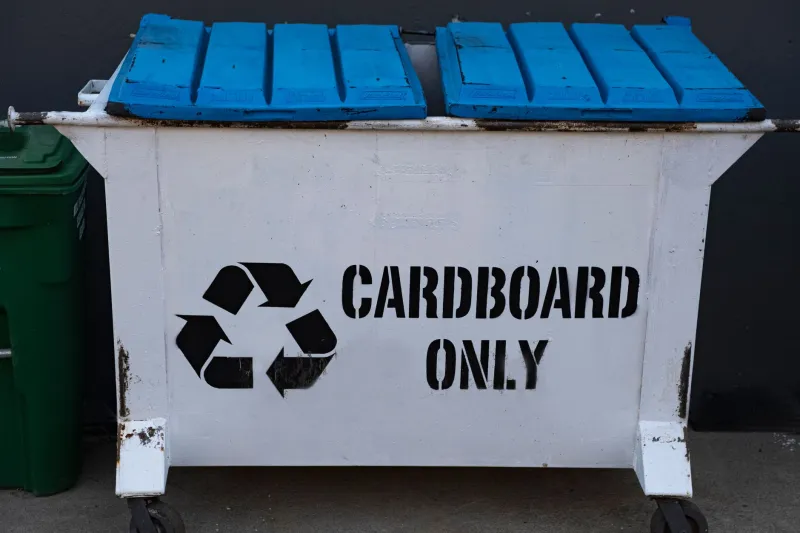
The uncomfortable truth is that the recycling symbol does not guarantee recyclability. It never did. What it actually indicates is the resin identification code — a classification system developed in 1988 by the plastics industry to help sorting facilities identify material types. Somewhere along the way, that technical marker became synonymous with environmental virtue, and the consequences have been costly.
What 'Recyclable' Actually Means — And What It Doesn't
The Federal Trade Commission's Green Guides define a product as recyclable only when a substantial majority of consumers — typically defined as 60 percent or more — have access to facilities that can process it. By that standard, many plastics carrying recycling symbols should not bear them at all.
Plastics labeled #1 (PET) and #2 (HDPE) — the kind found in water bottles and milk jugs — are genuinely recyclable in most American municipalities. However, plastics #3 through #7 tell a very different story. Polyvinyl chloride (#3), polystyrene (#6), and multi-layer composite materials (#7) are either prohibitively expensive to process, lack viable end markets, or contaminate entire batches of otherwise salvageable material.
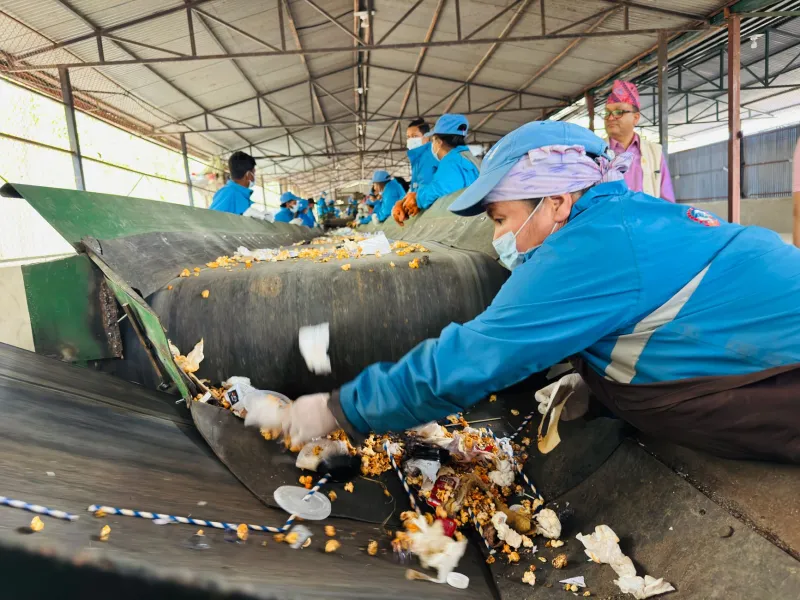
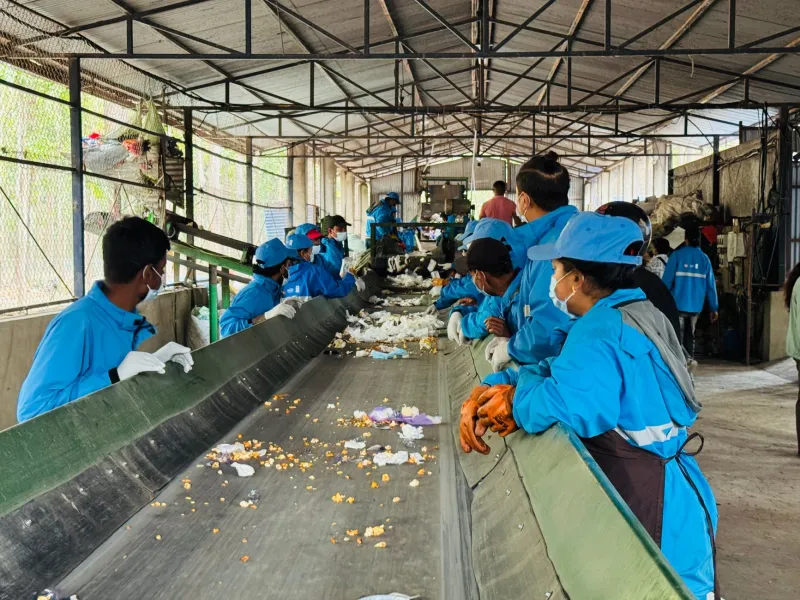
Facility managers across the country are candid about the problem. Speaking with operators at material recovery facilities (MRFs) in the Midwest and Southeast, a consistent frustration emerges: consumer confusion is not a minor inconvenience — it is a systemic operational challenge. When wishful recyclers toss black plastic takeout containers, greasy pizza boxes, or plastic film into curbside bins, those items do not disappear into a virtuous cycle. They gum up sorting machinery, contaminate paper bales, and ultimately send entire loads to landfill.
The True Cost of Contamination
According to data compiled by the Recycling Partnership, contamination rates in single-stream residential recycling programs average between 17 and 25 percent nationally. In some urban areas with limited public education infrastructure, that figure climbs higher. Each percentage point of contamination represents direct financial loss — to municipalities, to recycling processors, and ultimately to taxpayers.
The math is sobering. When a facility receives a load contaminated beyond a processor's threshold — often around 5 to 10 percent — the entire bale may be rejected. The cost of hauling, processing, and then landfilling that material falls to local governments. The Recycling Partnership has estimated that contamination costs the US recycling system approximately $400 million per year. That figure does not account for the broader economic ripple effect: reduced commodity values, lost jobs in the recycling sector, and diminished municipal revenue from material sales.
The collapse of China's National Sword policy in 2018, which banned the import of most foreign recyclables with contamination rates above 0.5 percent, exposed just how fragile America's recycling infrastructure had become. With overseas markets gone and domestic processing capacity insufficient to absorb the volume, many municipalities quietly began diverting collected recyclables directly to landfills — all while residents continued dutifully sorting their bins.
How Manufacturers Have Shifted Responsibility
The plastics industry has long promoted recycling as the solution to plastic pollution, investing heavily in public messaging campaigns that emphasize consumer responsibility. Critics argue this strategy — sometimes called "responsibility shifting" — has allowed manufacturers to continue producing non-recyclable materials while directing public scrutiny toward individual behavior.
In 2021, an investigation by NPR and PBS Frontline revealed internal industry documents showing that plastics executives privately acknowledged the economic unviability of recycling most plastic types as far back as the 1970s. Despite this knowledge, industry-funded campaigns expanded the recycling symbol's use and encouraged consumers to place faith in a system that, for many material types, did not functionally exist.
This is not to suggest recycling itself is futile — far from it. Properly sorted, uncontaminated recyclables retain genuine market value and reduce the demand for virgin material extraction. The problem is not recycling as a concept; it is the systemic mismatch between consumer expectation and industrial reality.
Recycling Correctly: A Practical Guide for US Households
At Supreme Recyclings, we believe that informed consumers are the foundation of a functional waste management ecosystem. The following practices can meaningfully reduce contamination and improve recycling outcomes:
Know your local program. Recycling guidelines vary significantly by municipality. What is accepted in Chicago may be rejected in Atlanta. Visit your city or county waste management website — or contact your hauler directly — to obtain a current accepted materials list.
When in doubt, leave it out. The instinct to recycle is admirable, but placing non-accepted items in the bin causes more harm than throwing them away. A contaminated load that ends up in a landfill represents a worse outcome than a single item correctly disposed of in the trash.
Clean and dry before recycling. Food residue is one of the leading causes of contamination. Containers do not need to be spotless, but a basic rinse removes the organic material that degrades paper fibers and attracts pests in sorting facilities.
Avoid bagging recyclables in plastic. Loose materials are far easier to sort mechanically. Plastic bags — even those labeled recyclable — jam conveyor belts and optical sorters, creating costly shutdowns.
Seek specialized drop-off points for difficult materials. Many retailers accept plastic film, batteries, and electronics for proper processing. National programs through organizations like Call2Recycle and TerraCycle provide options for materials that curbside programs cannot handle.
A Call for Greater Transparency
The solution to this crisis extends beyond individual behavior. Meaningful reform requires manufacturers to bear greater accountability for the end-of-life management of their products. Extended producer responsibility (EPR) legislation — already enacted in several states including Oregon, California, and Maine — places financial and logistical responsibility for packaging disposal on the companies that produce it, rather than on municipalities and taxpayers.
Federal standardization of recycling labels, stronger enforcement of the FTC's Green Guides, and significant public investment in domestic processing infrastructure are equally essential components of a genuine solution.
The chasing-arrows symbol was never meant to be a promise. Reclaiming its integrity — and the public trust it has eroded — will require honesty from industry, investment from government, and informed participation from every American household. Supreme Recyclings remains committed to providing the transparent, expert-guided waste management services that bridge the gap between good intentions and genuine environmental impact.